


What technical challenges do flapping-wing drones face in imitating the flight principles of birds?
Flapping-wing Drones: Principles and Technical Challenges of Imitating Bird Flight
In today's world where technology is advancing rapidly, flapping-wing drones, with their unique flight method, have opened up new paths for human flight exploration. Mimicking the flapping flight of birds, flapping-wing drones demonstrate their unique charm with their high efficiency, flexibility, and adaptability. However, in the process of imitating the flight principles of birds, flapping-wing drones also face numerous technical challenges, which are not only technical but also scientific and engineering in nature.
The core of flapping-wing drones imitating bird flight lies in imitating the flapping motion of birds. The flapping motion of birds has two distinct characteristics: first, the periodicity of flapping motion, that is, after each flapping, the wings complete a process of closing and opening; second, the continuity of flapping motion, that is, flapping motion is a continuous dynamic process rather than a series of static actions. Flapping-wing drones achieve efficient flight by imitating the flapping motion of birds. The flight principle of flapping-wing drones is similar to that of birds, both relying on flapping motion to generate lift and thrust, allowing the aircraft to fly in the air.
However, flapping-wing drones also face many technical challenges in the process of imitating bird flight. Firstly, the flapping motion of flapping-wing drones consumes a large amount of energy, and the supply of this energy is one of the main challenges faced by flapping-wing drones. To achieve continuous and efficient flight, flapping-wing drones need to design efficient energy management systems, including batteries and energy recovery systems. In addition, to reduce energy consumption, flapping-wing drones also need to optimize the frequency and amplitude of flapping motion and the control of flight attitudes to achieve the best flight efficiency.
Secondly, the flapping motion of flapping-wing drones requires precise control to ensure the stability and safety of the aircraft. The flight attitude control of flapping-wing drones is another challenge they face. The flight attitude control of flapping-wing drones needs to be precisely controlled by the opening and closing angles of the wings, flight speed, and direction to achieve stable flight attitudes. The flight attitude control of flapping-wing drones requires precise sensors and algorithms to achieve precise control of flight attitudes. In addition, the flight attitude control of flapping-wing drones also needs to consider environmental factors such as wind speed, wind direction, and terrain to ensure stable flight in various environments.
Furthermore, the flapping motion of flapping-wing drones requires precise control to ensure the flight efficiency of the aircraft. The flight efficiency of flapping-wing drones needs to be precisely controlled by the opening and closing angles of the wings, flight speed, and direction to achieve the best flight efficiency. The flight efficiency of flapping-wing drones requires precise sensors and algorithms to achieve precise control of flight efficiency. In addition, the flight efficiency of flapping-wing drones also needs to consider environmental factors such as wind speed, wind direction, and terrain to ensure efficient flight in various environments.
The imitation of bird flight by flapping-wing drones represents an important milestone in the development of human technology and reflects a deep understanding and respect for the natural world. However, flapping-wing drones also face many technical challenges in the process of imitating bird flight, which require continuous exploration and breakthroughs. The future of flapping-wing drones is filled with infinite possibilities, and let us look forward to their further development in the field of science and technology together.
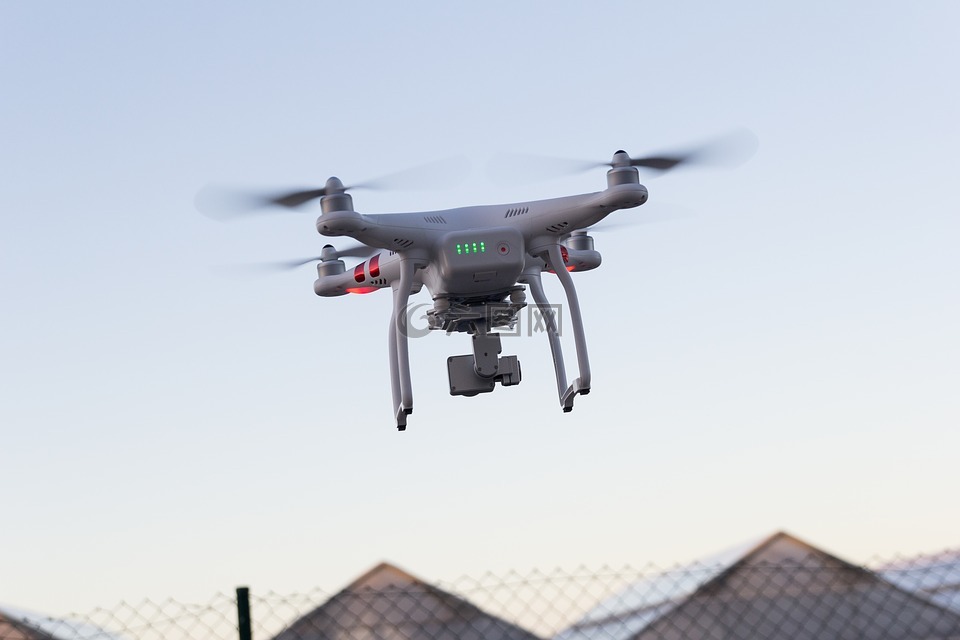 How to choose drone propellers of different materials and what impact do they have on flight performance?
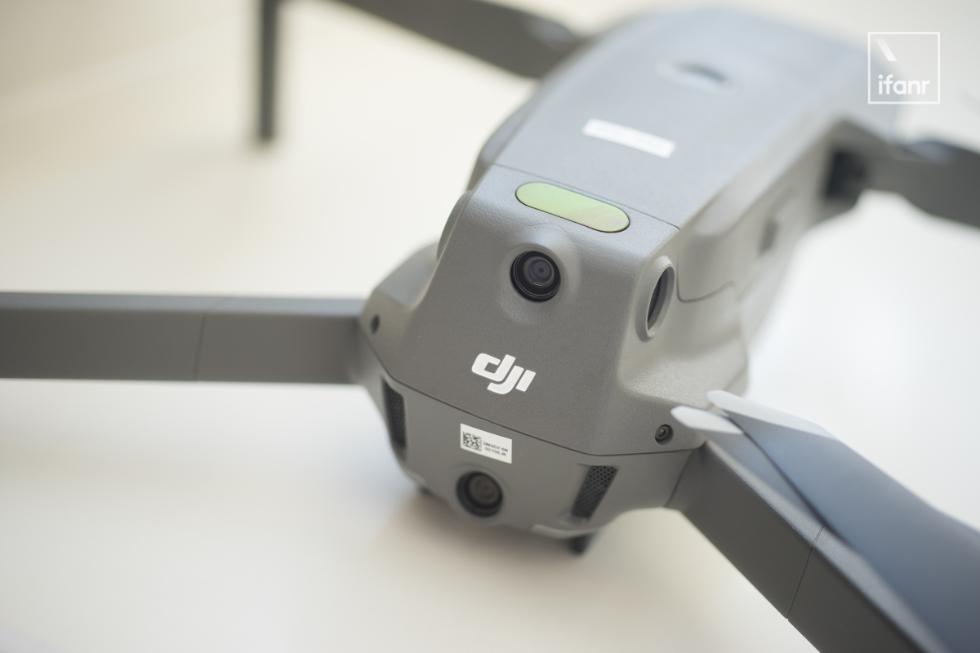 What factors limit the communication distance of UAVs, and how can it be effectively extended?
 How to improve efficiency through innovative applications of drones in logistics and warehousing?
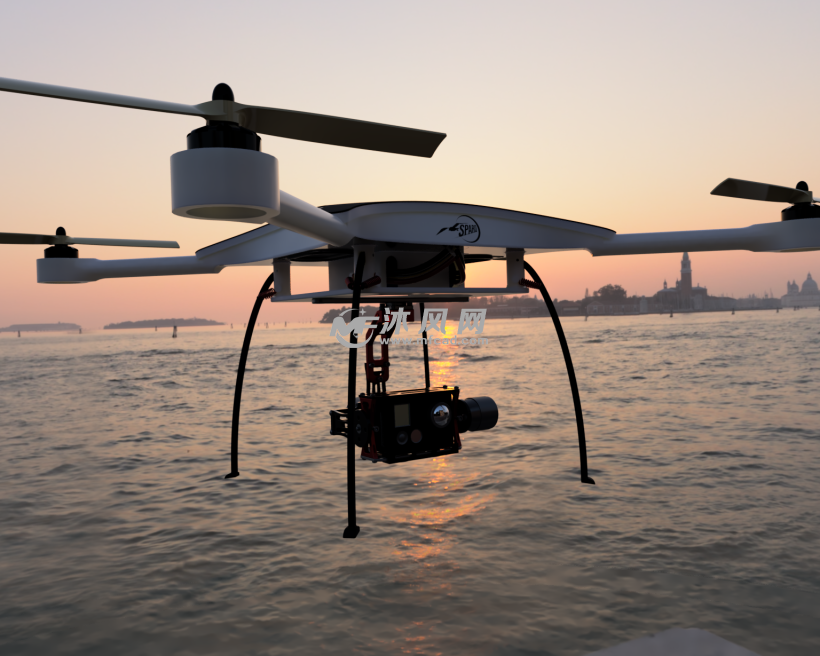 What is the key role of the development of drone battery technology in enhancing endurance capability?