


Application of drones in marine monitoring, challenges and methods to deal with the marine environment?
Application of drones in marine monitoring, challenges and methods to deal with the marine environment
The ocean occupies 71% of the Earth's surface, covering most of the Earth's surface. However, due to the complexity of the marine environment, marine monitoring has always been a challenge. Marine monitoring not only requires monitoring the physical properties of the ocean such as temperature, salinity, and currents, but also monitoring the types and quantities of marine organisms, as well as marine pollution. In recent years, the development of drone technology has provided new tools and means for marine monitoring, and the application of drones in marine monitoring can effectively respond to the challenges of the marine environment.
Firstly, the application of drones in marine monitoring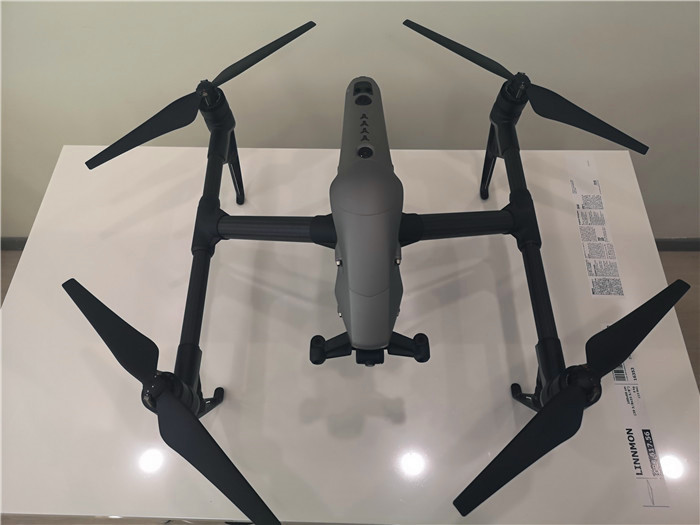
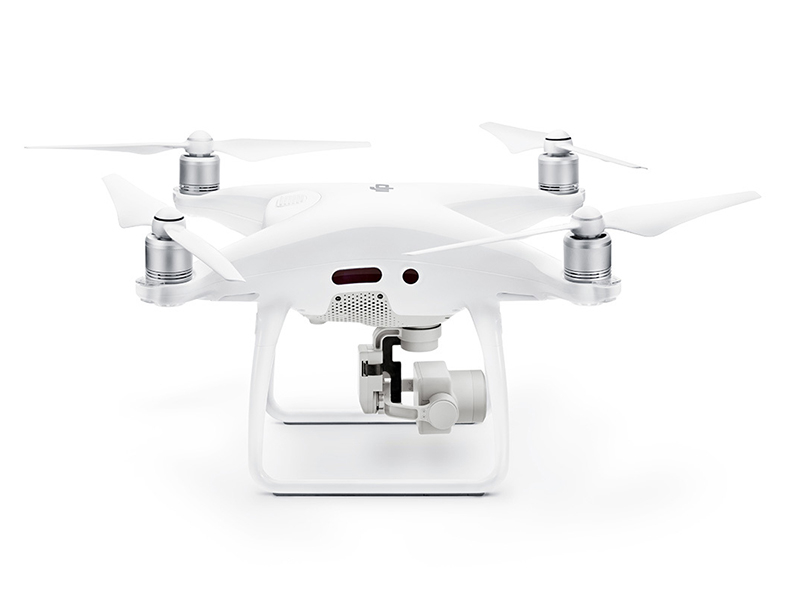 @@@@@@@@@@@@@@@@@@@@@
Drones equipped with marine environmental monitoring equipment can carry out real-time monitoring of the physical properties of the ocean. For example, drones can carry temperature, salinity, and current sensors, and through the flight trajectory covering the entire sea area, achieve real-time monitoring of the marine environment, thereby obtaining marine environmental data and providing data support for marine scientific research.
Drones can carry high-resolution cameras or cameras to carry out real-time monitoring of marine life. Through the flight of drones in the ocean, images of marine life can be captured, and real-time monitoring of the quantity and types of marine life can be conducted. At the same time, drones can also carry sonar equipment to carry out acoustic monitoring of marine life through sonar equipment, thereby obtaining acoustic data on marine life and providing data support for marine life research.
Drones can carry pollution monitoring equipment to carry out real-time monitoring of marine pollution. Through the flight of drones in the ocean, images of marine pollution can be captured, and real-time monitoring of the types and quantities of marine pollution can be conducted. At the same time, drones can also carry chemical sensors to carry out chemical monitoring of marine pollution through chemical sensors, thereby obtaining chemical data on marine pollution and providing data support for marine pollution research.
Secondly, responding to the challenges of marine environments and methods
The application of drones in marine monitoring can overcome the limitations of traditional methods of marine monitoring. Traditional methods mainly rely on devices such as marine observation stations, buoys, and ships, which have limited coverage and cannot achieve comprehensive monitoring of the entire sea area. Drones, however, can achieve comprehensive monitoring of the entire sea area, thereby obtaining more comprehensive and accurate data on the marine environment.
The application of drones in marine monitoring can improve the efficiency of marine monitoring. Traditional methods of marine monitoring require a large amount of manpower, material resources, and financial resources, and have long monitoring cycles, making it difficult to achieve real-time monitoring of the marine environment. Drones, however, can achieve real-time monitoring of the marine environment, thereby improving the efficiency of marine monitoring.
The application of drones in marine monitoring can reduce the cost of marine monitoring. Traditional methods of marine monitoring require a large amount of equipment and manpower, and have long monitoring cycles with high costs. Drones, however, can achieve real-time monitoring of the marine environment, thereby reducing the cost of marine monitoring.
The application of drones in marine monitoring provides new means and tools for the monitoring of marine environments, effectively responds to the challenges of marine environments, and provides data support for marine scientific research. However, there are also some issues with the application of drones in marine monitoring, such as the flight of drones in the ocean being limited by marine environmental factors such as waves and sea breezes, which can affect the flight stability of drones and, in turn, affect the effectiveness of marine monitoring. Therefore, it is necessary to study flight control technologies for drones in the ocean to improve their flight stability in the ocean, thereby enhancing the effectiveness of marine monitoring.
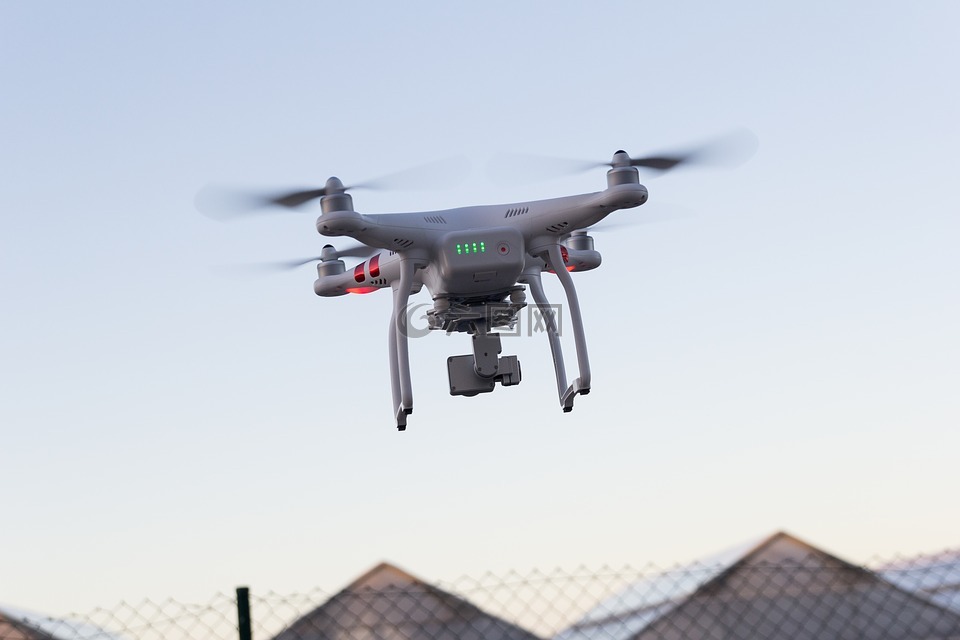 How to choose drone propellers of different materials and what impact do they have on flight performance?
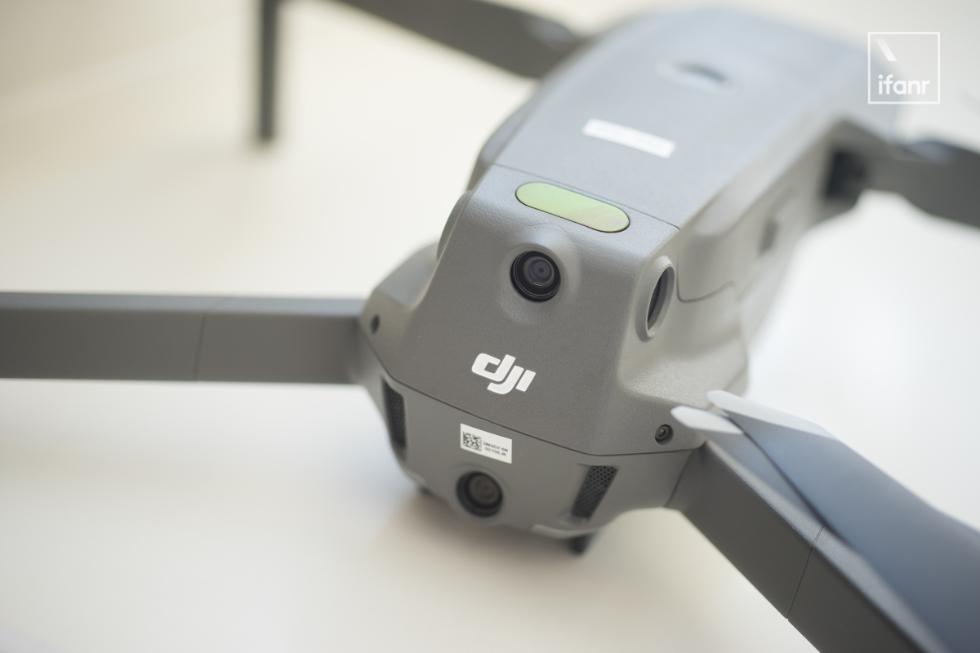 What factors limit the communication distance of UAVs, and how can it be effectively extended?
 How to improve efficiency through innovative applications of drones in logistics and warehousing?
 What is the key role of the development of drone battery technology in enhancing endurance capability?