


What are the criteria for choosing electric drone motors, and which scenarios are suitable for different power motors?
What are the criteria for choosing electric drone motors, and which scenarios are suitable for different power motors?
In the field of electric drones, the motor is a core component that directly affects the drone's flight performance. Choosing the appropriate motor is a crucial step in drone design, as it not only affects the drone's flight speed, altitude, and endurance but also its maneuverability, stability, and safety. Therefore, understanding the criteria for choosing electric drone motors and the scenarios suitable for different power motors is crucial for drone designers and manufacturers.
I. Criteria for Choosing Electric Drone Motors
Flight speed: Flight speed is directly related to the motor's rotation speed, so when choosing a motor, it is necessary to select an appropriate motor based on the drone's flight speed requirements. Generally, the higher the motor's rotation speed, the faster the flight speed.
Flight altitude: Flight altitude is directly related to the motor's power, so when choosing a motor, it is necessary to select an appropriate motor based on the drone's flight altitude requirements. Generally, the higher the motor's power, the higher the flight altitude.
Power consumption: Power consumption refers to the power required by the drone during flight, which is directly related to the motor's rotation speed and power. Therefore, when choosing a motor, it is necessary to select an appropriate motor based on the drone's power consumption. Generally, the higher the motor's power consumption, the stronger the drone's endurance.
Flight stability: Flight stability is directly related to the motor's torque, so when choosing a motor, it is necessary to select an appropriate motor based on the drone's flight stability requirements. Generally, the larger the motor's torque, the better the flight stability.
II. Scenarios Suitable for Different Power Motors
Low-power motors: Suitable for lightweight electric drones such as aerial photography drones and educational drones. These motors have a higher rotation speed, providing rapid flight speed, but with relatively lower flight altitude and endurance, and poorer flight stability.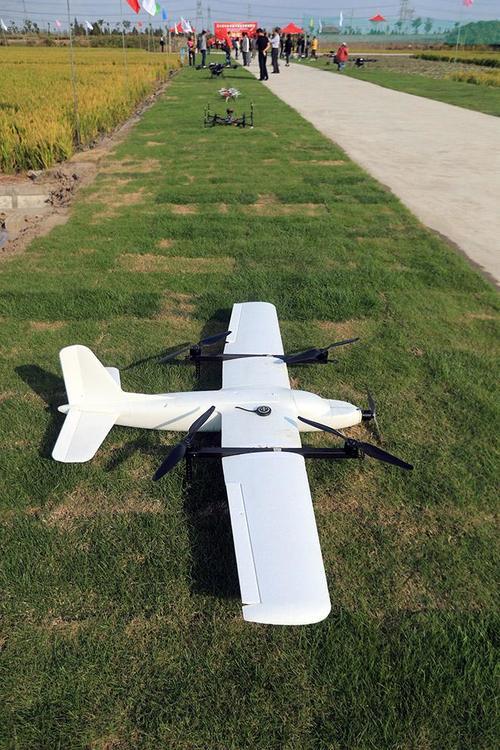
Medium-power motors: Suitable for medium-sized electric drones such as consumer-grade drones and industrial-grade drones. These motors have a moderate rotation speed, providing a balanced flight speed, altitude, endurance, and flight stability.
High-power motors: Suitable for large electric drones such as military drones and research drones. These motors have a lower rotation speed but higher power, providing higher flight speed, altitude, endurance, and flight stability.
In summary, the selection of electric drone motors requires comprehensive consideration of various factors such as flight speed, altitude, endurance, flight stability, and power consumption. Choosing the appropriate motor can effectively enhance the performance of the drone and provide strong support for its designers and manufacturers.
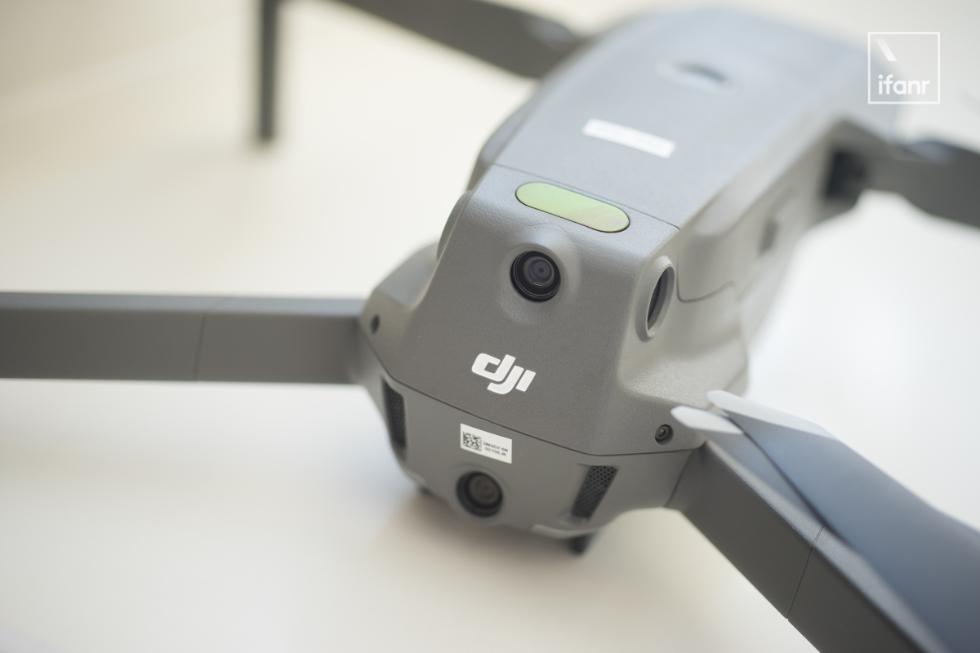 What factors limit the communication distance of UAVs, and how can it be effectively extended?
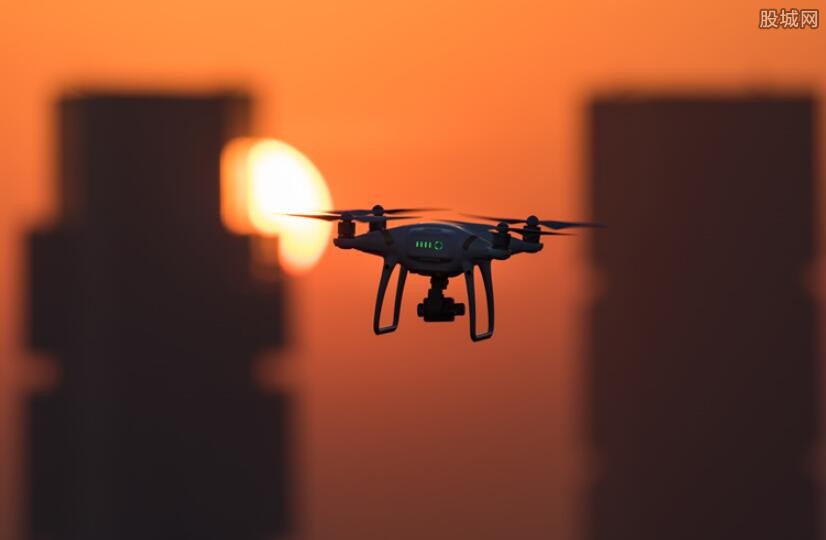 How to improve efficiency through innovative applications of drones in logistics and warehousing?
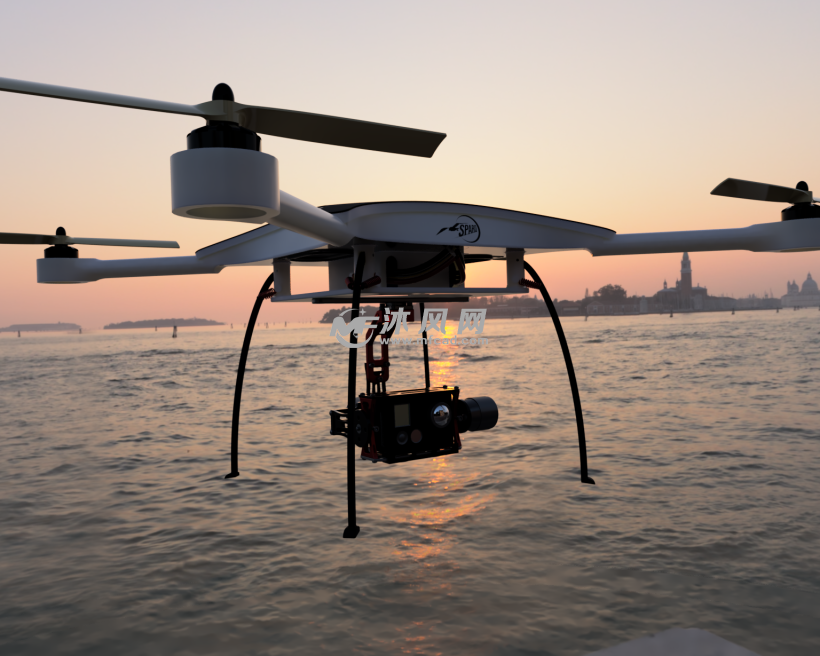 What is the key role of the development of drone battery technology in enhancing endurance capability?
 The development of gesture control interaction functions for drones, the principle of recognizing gestures and executing them?