


How to ensure the safe return to the starting point for drones under complex weather conditions?
Ensuring the safe return to the starting point under complex weather conditions is a crucial research field in the development of drone technology. With the continuous advancement of drone technology, its application scope is increasingly extensive, including but not limited to agriculture, surveying and mapping, rescue, environmental monitoring, etc. However, adverse weather conditions such as strong winds, thunderstorms, and thick fog pose great challenges to the safe flight of drones. Therefore, designing effective return strategies is crucial for ensuring the safety of drones.
Return strategy of drones under complex weather conditions
1. Data Collection and Analysis
Before takeoff, drones need to collect and analyze weather data. This includes real-time weather monitoring systems such as satellite meteorological data, ground meteorological station data, and meteorological sensor data carried by drones themselves. These data can help drones identify the current weather conditions and predict the trend of weather changes in the future.
2. Intelligent Weather Prediction Model
Utilize artificial intelligence and machine learning technologies to build intelligent weather prediction models. This model can predict the trend of weather changes in the future based on historical weather data and real-time weather data. In this way, drones can identify potential weather conditions that may affect flight safety in advance and adjust flight plans accordingly.
3. Multi-Return Path Planning
Under complex weather conditions, a single return path may not ensure the safe return of drones. Therefore, design multiple return paths and select the optimal path based on real-time weather data. These paths not only include traditional fixed routes but should also consider factors such as terrain and wind direction to ensure that drones can land safely.
4. Safe Landing Strategies
Formulate corresponding safe landing strategies for different weather conditions. For example, under strong wind conditions, drones may need to choose a wider area for landing; under thunderstorm weather, it is advisable to choose landing points far away from thunderstorm areas. In addition, drones should be equipped with emergency equipment such as parachutes for unexpected situations.
5. Adaptive Control of Drones
Develop adaptive control algorithms to enable drones to automatically adjust flight parameters based on real-time weather data and their own status. For example, when encountering severe weather, drones can automatically reduce flight altitude and slow down flight speed to ensure flight safety.
6. Optimization of Communication and Navigation Systems
Optimize the communication and navigation system of drones to ensure stable communication with the ground control station under complex weather conditions. At the same time, utilize advanced navigation technologies such as GPS enhancement technology and inertial navigation systems to improve the positioning accuracy of drones under complex weather conditions.
Conclusion
The return strategy of drones under complex weather conditions not only concerns the safety of drones but also directly affects the success rate of mission execution. By comprehensively applying technologies such as weather forecasting, path planning, safe landing strategies, adaptive control, and communication navigation system optimization, it can effectively improve the flight safety of drones under complex weather conditions and provide a solid guarantee for the development of drone technology.
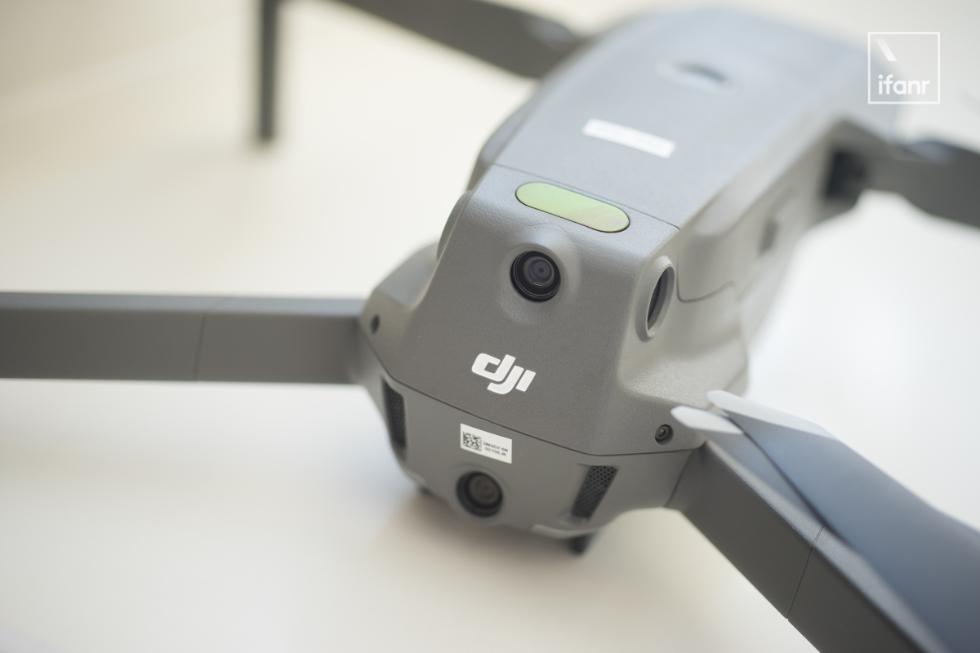 What factors limit the communication distance of UAVs, and how can it be effectively extended?
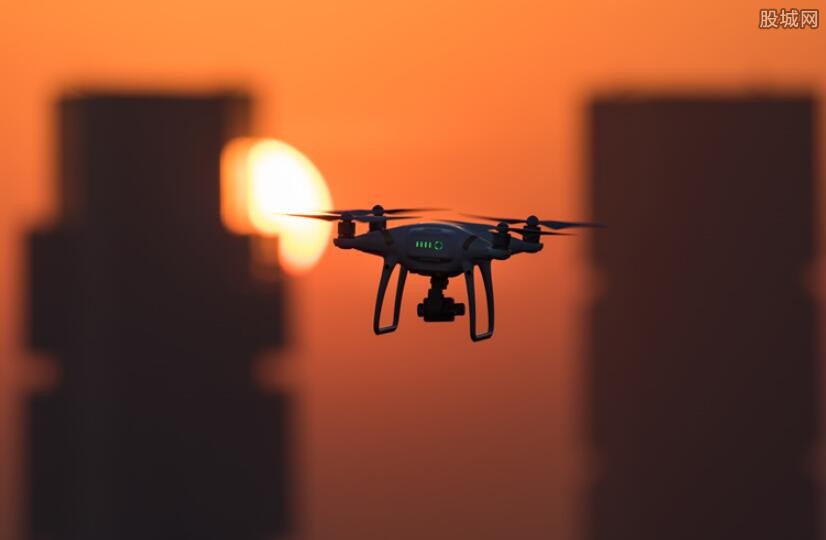 How to improve efficiency through innovative applications of drones in logistics and warehousing?
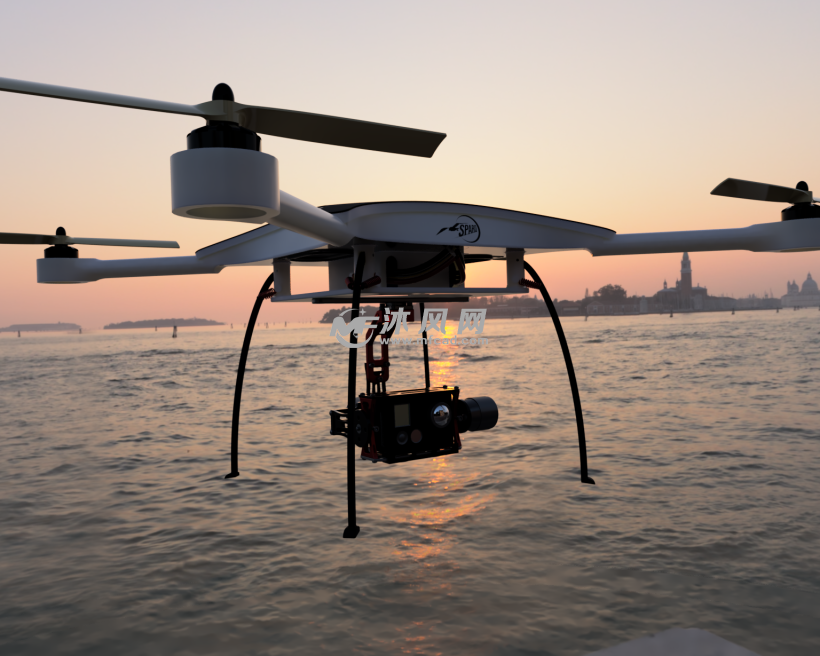 What is the key role of the development of drone battery technology in enhancing endurance capability?
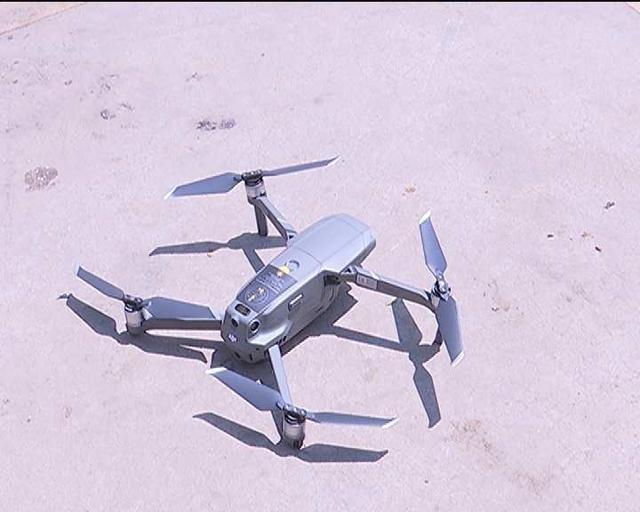 The development of gesture control interaction functions for drones, the principle of recognizing gestures and executing them?