


What are the advantages of using 3D printing technology in the shells of drones and its impact on flight performance?
The use of 3D printing technology in the manufacturing of drone shells not only significantly improves the flexibility and innovation of their design, but also to some extent improves their flight performance. With the continuous advancement of 3D printing technology, its application in the manufacturing of drone shells is also becoming increasingly widespread. This article will discuss the advantages of the 3D printing process in drone shell design and manufacturing, and analyze its impact on drone flight performance.
Advantages of 3D Printing Process
Customized Design and Manufacturing: 3D printing technology allows designers to customize designs according to the specific needs of drones, achieving precise manufacturing of complex structures. This customized design not only optimizes the aerodynamic performance of drones but also ensures their adaptability in specific environments.
Lightweight Design: Through 3D printing technology, precise material distribution can be achieved, making the drone shell as light as possible while ensuring strength. This not only helps to improve flight efficiency but also extends battery life.
Cost-effectiveness: Although the initial investment may be high, the production efficiency of 3D printing technology is high, and it can achieve small-batch production. With technological progress and mass production, costs will gradually decrease, making 3D printed drone shells a more economical choice.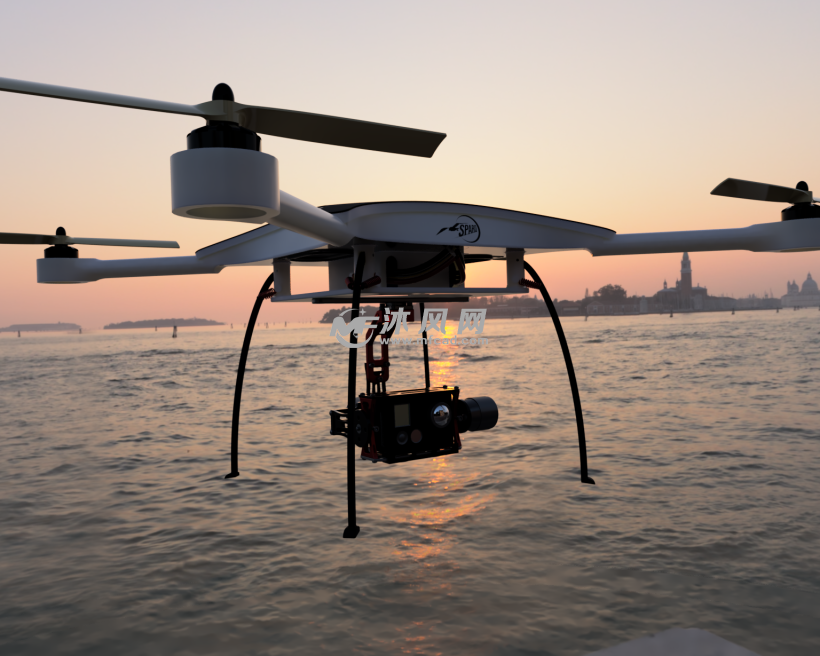
Innovative Material Application: 3D printing technology allows for the use of a variety of materials, including metals, plastics, and composites, providing more material choices for drone shells. For example, certain special composites can provide excellent corrosion resistance and strength, which is particularly important for outdoor use.
Impact on Flight Performance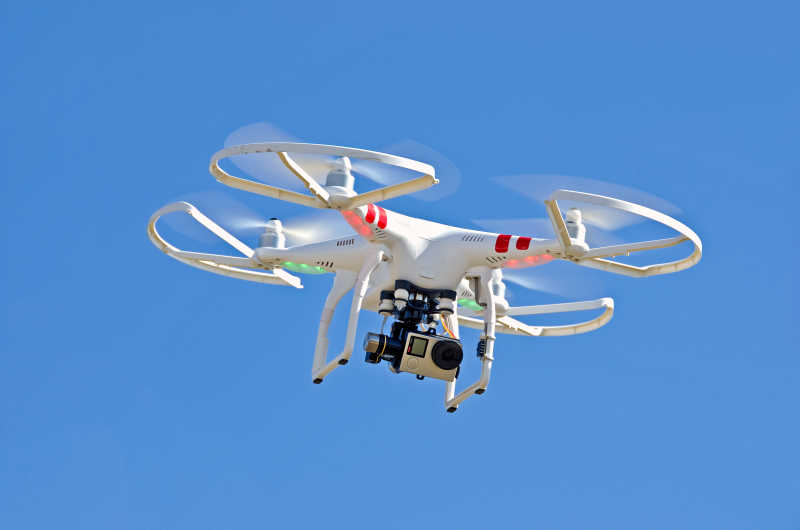
Aerodynamic Optimization: The 3D printing process can produce shells that are more in line with aerodynamic design. By precisely controlling material distribution and structure, air resistance can be reduced, improving the flight speed and efficiency of drones.
Structural Strength and Rigidity: 3D printing technology can achieve precise material distribution, thereby enhancing the structural strength and rigidity of the drone shell. This is very important for withstanding shocks and vibrations that may occur during flight.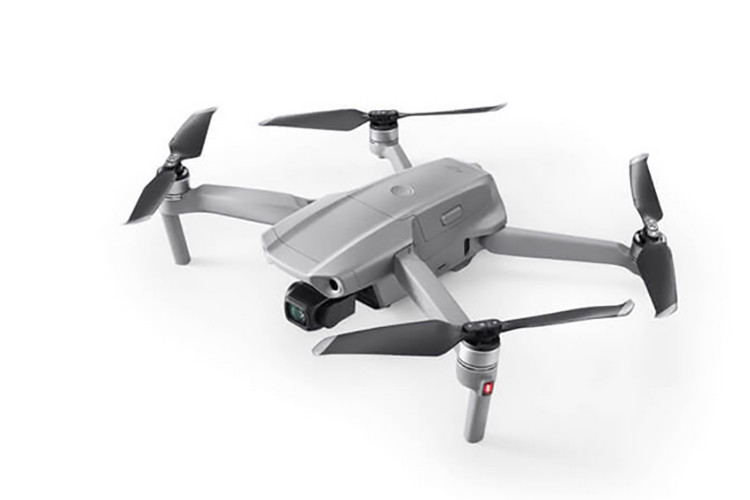
Thermal Management Optimization: 3D printing technology allows for the integration of complex cooling systems within the drone shell, which is crucial for the heat dissipation of electronic devices. Optimized shell design can improve the performance and lifespan of electronic devices.
Stealth Performance: Through special design and material selection, 3D printing technology can help drones achieve better stealth performance, reducing the likelihood of being detected by radar or other detection equipment.
In summary, the application of 3D printing technology in the manufacturing of drone shells not only brings flexibility in design and manufacturing, but also has a positive impact on the flight performance of drones. With the continuous advancement of technology, it is expected that 3D printed drone shells will play an important role in more fields in the future.
 What factors limit the communication distance of UAVs, and how can it be effectively extended?
 How to improve efficiency through innovative applications of drones in logistics and warehousing?
What is the key role of the development of drone battery technology in enhancing endurance capability?
How to improve efficiency through innovative applications of drones in logistics and warehousing?
What is the key role of the development of drone battery technology in enhancing endurance capability?
 The development of gesture control interaction functions for drones, the principle of recognizing gestures and executing them?