


What are the technical measures to ensure the stability of human-vehicle interaction in complex environments for drones?
In the field of drones, human-machine interaction (Human-Machine Interaction, HMI) is a key link in drone operation and task execution. In complex environments, such as adverse weather, complex terrain, electromagnetic interference, and poor network signals, ensuring the stability and reliability of information transmission and command execution between drones and operators is crucial. The following are some technical measures aimed at ensuring the stability of human-vehicle interaction in complex environments for drones:
1. Strengthening communication technology
Multi-band communication technology: Communication is conducted using different frequency bands to address issues such as signal attenuation and interference. For example, UHF and VHF frequency bands are used for short-range communication, while L-band or millimeter waves are used for long-range communication.
Multi-link communication: Data transmission is carried out using multiple communication links to improve the reliability of data transmission. If a link fails, the system can automatically switch to a backup link.
Redundant design: Redundant design is adopted in key communication nodes, such as using multiple antennas or multiple transmitting and receiving devices, to increase the reliability and anti-interference ability of communication.
2. Strengthening data transmission protocols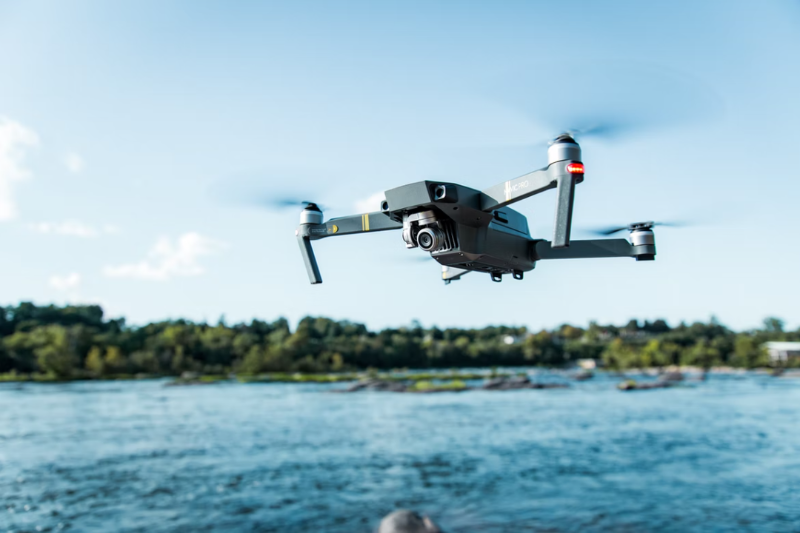
Low-latency communication protocols: Low-latency data transmission protocols are adopted to ensure that drones can quickly respond to operators' instructions.
Data compression technology: Data compression technology is used to reduce the amount of data transmission, improve data transmission efficiency, and also reduce delays in the data transmission process.
Real-time data transmission: Ensures that operators can obtain real-time information about the flight status and task execution of drones, so that they can adjust operational strategies in a timely manner.
3. Strengthening drone autonomy
Enhanced sensor technology: High-precision sensors such as GPS, visual sensors, and radar are used to improve the perception ability of drones and reduce reliance on operators.
Intelligent planning algorithms: Intelligent path planning and task execution algorithms are developed to enable drones to autonomously complete tasks in complex environments.
Fault self-diagnosis and recovery: A fault self-diagnosis system is developed that can automatically diagnose problems and take recovery measures when a drone fails.
4. Strengthening operator training
Professional training: Operators are trained professionally to operate drones proficiently and understand how to communicate effectively in complex environments.
Simulation training: Through the simulation training system, operators can practice handling various complex situations in a safe environment, improving their ability to cope with complex environments.
5. Strengthening drone hardware design
Robust and durable design: Ensures that drones can withstand the test of harsh environments, such as strong winds, sandstorms, and low temperatures.
Redundant design: Redundant design is adopted in key components, such as using dual power systems and dual communication links, to improve the reliability and anti-interference ability of the system.
Through the above measures, the stability and reliability of human-vehicle interaction in complex environments can be effectively guaranteed, ensuring that drones can efficiently and safely perform their tasks.
 What is the importance of encryption technology for ensuring the security of flight data in unmanned aerial vehicle communication systems?
How do unmanned aerial vehicle swarms integrate data in environmental monitoring to improve effectiveness?
What is the role of unmanned aerial vehicle remote sensing in assisting the detection of underground relics in archaeological research?
How does the power switching mechanism of a hybrid-powered unmanned aerial vehicle ensure continuous flight?