


What are the anti-interference measures of UAV communication systems, and methods to deal with complex electromagnetic environments?
Anti-interference measures of UAV communication systems, methods to deal with complex electromagnetic environments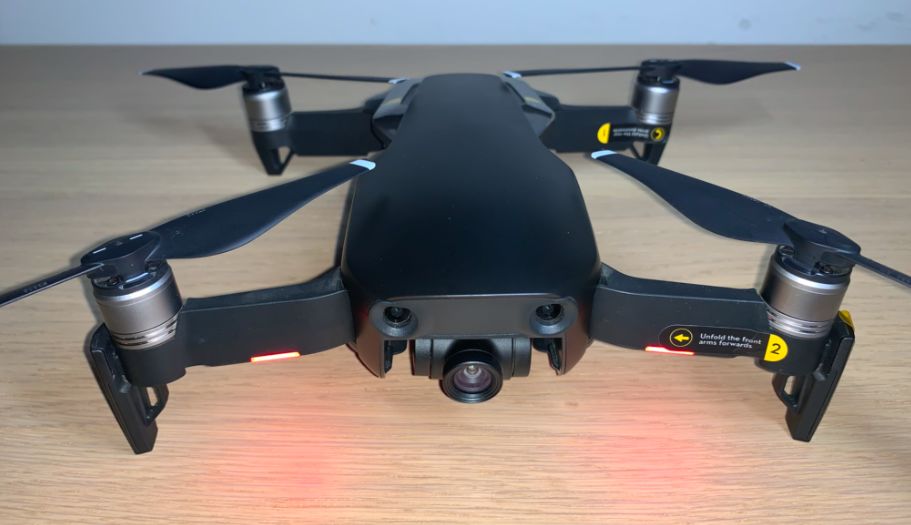
In modern society, the development and application of unmanned aerial vehicles (UAVs) are becoming increasingly widespread, playing an increasingly important role in various fields such as military reconnaissance, disaster relief, logistics transportation, and entertainment games. However, the anti-interference problem of UAV communication systems in complex electromagnetic environments has always been a technical challenge that needs to be addressed urgently. This article will discuss the anti-interference measures of UAV communication systems and methods to deal with complex electromagnetic environments.
Unmanned aerial vehicle communication system anti-interference measures
Adaptive antenna technology: Adaptive antenna technology can effectively suppress interference signals by adjusting the direction and amplitude of the antenna. The unmanned aerial vehicle can use adaptive antenna technology to automatically identify and shield interference signals, thereby improving the anti-interference capability of the communication system.
Multipath interference suppression: Multipath interference refers to the phenomenon that the signal, during propagation, reaches the receiving end through different paths, causing changes in signal strength and phase, thereby causing interference. The unmanned aerial vehicle communication system can reduce the impact of multipath interference by adopting multipath interference suppression technology such as spatial diversity, frequency diversity, and time diversity.
Signal processing technology: The unmanned aerial vehicle communication system can adopt signal processing technology such as digital signal processing, filters, and equalizers to remove or suppress interference signals, thereby improving the anti-interference capability of the communication system.
Automated interference detection and elimination: The unmanned aerial vehicle communication system can adopt automated interference detection and elimination technology, such as interference detection algorithms and interference elimination algorithms, to detect and eliminate interference signals in real time, thus improving the anti-interference capability of the communication system.
Methods for dealing with complex electromagnetic environments
Electromagnetic environment prediction and analysis: Before the design and deployment of the unmanned aerial vehicle communication system, the electromagnetic environment of the target area needs to be predicted and analyzed to understand the possible interference sources and types, thus providing a reference for the design of the unmanned aerial vehicle communication system.
Electromagnetic compatibility design: During the design process of the unmanned aerial vehicle communication system, electromagnetic compatibility needs to be fully considered to ensure that the system can still operate normally in complex electromagnetic environments. For example, low electromagnetic radiation design, the selection of low-noise amplifiers and filters, and the use of shielding technology are adopted.
Optimized antenna design: The unmanned aerial vehicle communication system can improve the anti-interference capability of the antenna by optimizing the antenna design. For example, by using multi-polarized antennas, wideband antennas, and multi-beam antennas, multipath interference can be reduced and the anti-interference capability of the communication system can be improved.
Advanced communication protocols: The unmanned aerial vehicle communication system can adopt advanced communication protocols such as ad-hoc networks and wireless sensor networks to improve the anti-interference capability and reliability of the communication system.
In summary, the anti-interference measures and methods for dealing with complex electromagnetic environments of the unmanned aerial vehicle communication system are the key to improving the performance and reliability of the system. By adopting adaptive antenna technology, multipath interference suppression, signal processing technology, and automated interference detection and elimination, the anti-interference capability of the unmanned aerial vehicle communication system can be effectively improved. At the same time, by means of electromagnetic environment prediction and analysis, electromagnetic compatibility design, optimized antenna design, and the use of advanced communication protocols, the anti-interference capability and reliability of the unmanned aerial vehicle communication system can be further enhanced.
 What is the importance of encryption technology for ensuring the security of flight data in unmanned aerial vehicle communication systems?
How do unmanned aerial vehicle swarms integrate data in environmental monitoring to improve effectiveness?
What is the role of unmanned aerial vehicle remote sensing in assisting the detection of underground relics in archaeological research?
How does the power switching mechanism of a hybrid-powered unmanned aerial vehicle ensure continuous flight?