


What are the key content and interesting teaching methods for popular science education on drones for teenagers?
Youth Drones Popular Science Education: Key Content and Interesting Teaching Methods
Drones, as a rapidly developing technology product in recent years, have not only shone in military and scientific research fields, but also demonstrated great potential in civil fields such as aerial photography, agriculture, and express delivery. Popular science education on drones for teenagers not only can stimulate their interest and enthusiasm for science and technology, but also cultivate their innovative thinking and problem-solving ability. The following is a discussion on the key content and interesting teaching methods of popular science education on drones for teenagers.
First, the key content of popular science education
Basic Knowledge of Drones: Including the definition, working principle, classification, etc. Let teenagers have a basic understanding of drones, understand the operation mechanism and application scenarios of drones.
Principles of Drone Flight: The principles of drone flight are one of the key contents of drone popular science education. By explaining how drones fly through electronic control systems, including how to control the lift, thrust, resistance, and gravity of drones, let teenagers understand the basic principles of drone flight.
Drones Control System: Explain the electronic control system of drones, including the flight control system, navigation system, communication system, etc., so that teenagers understand how drones fly through electronic control systems.
Structure and Materials of Drones: Explain the structural design and material selection of drones, including the structure and materials of the drone body, power system, and control system, so that teenagers understand the importance of the structure and material selection of drones.
Programming and Control of Drones: Through programming, let drones perform specific flight tasks such as aerial photography and automatic obstacle avoidance, so that teenagers understand programming and control skills for drones.
Ethics and Regulations of Drones: Explain the ethics and regulations of drones, including the rules of use, flight safety, privacy protection, etc., so that teenagers understand the ethics and regulations of drone use.
Second, interesting teaching methods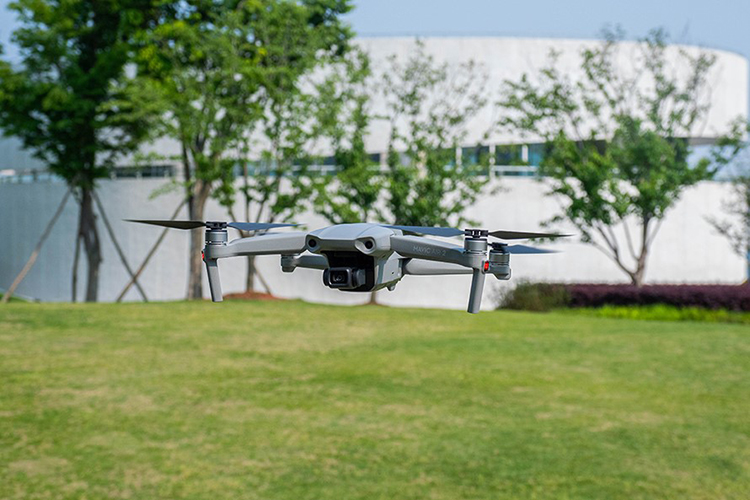
Interactive Teaching: Through interactive games, competitions, and other methods, let teenagers learn about drone knowledge in the fun. For example, through drone flight competitions, let teenagers understand the principles and techniques of drone flight; through drone programming competitions, let teenagers learn programming and control skills for drones.
Practical Operation: Through practical operation, let teenagers experience drone flight and programming firsthand, deepening their understanding of drone knowledge. For example, through making and assembling drones, let teenagers understand the structure and material selection of drones; through programming, let drones perform specific flight tasks, so that teenagers can learn programming and control skills for drones.
Project-based Learning: Through project-based learning, let teenagers apply their knowledge of drones to practical projects. For example, through drone aerial photography projects, let teenagers understand the principles and techniques of drone flight; through drone programming projects, let teenagers learn programming and control skills for drones.
Virtual Reality and Augmented Reality: Utilize virtual reality and augmented reality technology to allow teenagers to experience drone flight and programming in virtual environments, enhancing the fun and interactivity of learning.
Innovative thinking: Encourage teenagers to propose innovative drone application solutions, such as using drones for environmental monitoring, agricultural pest control, express delivery, etc., to cultivate teenagers' innovative thinking and problem-solving abilities.
Through the key content and interesting teaching methods of popular science education, teenagers will be able to comprehensively understand the knowledge of drones, stimulate their interest and enthusiasm for science and technology, and cultivate their innovative thinking and problem-solving abilities.
 What is the importance of encryption technology for ensuring the security of flight data in unmanned aerial vehicle communication systems?
How do unmanned aerial vehicle swarms integrate data in environmental monitoring to improve effectiveness?
What is the role of unmanned aerial vehicle remote sensing in assisting the detection of underground relics in archaeological research?
How does the power switching mechanism of a hybrid-powered unmanned aerial vehicle ensure continuous flight?