


What is the value of drones in archaeological exploration, and what is their role in the discovery of sites and the protection of cultural relics?
The application of drones in archaeological exploration is gradually becoming an important tool in archaeological research, not only improving the efficiency of archaeological exploration, but also providing new means for the discovery of sites and the protection of cultural relics. With the continuous advancement of drone technology and the gradual reduction of costs, its application in the field of archaeology is becoming more and more widespread. This article will discuss the value of drones in archaeological exploration and their role in the discovery of sites and the protection of cultural relics.
The value of drones in archaeological exploration
High-resolution image acquisition: Drones equipped with high-resolution cameras and laser radar and other equipment can quickly and accurately obtain high-precision three-dimensional images and topographic data around archaeological sites, providing archaeologists with detailed topographic information.
Quickly covering large areas: Compared with traditional manual exploration methods, drones can quickly cover large areas, greatly improving the efficiency of exploration.
Reducing interference with sites: Using drones for exploration can reduce the interference of human activities on archaeological sites, protecting the original appearance of the sites.
Data processing and analysis: Data collected by drones can be transmitted to the ground station in real time for processing, allowing archaeologists to obtain analysis results immediately and adjust exploration plans in a timely manner.
The role of discovering sites
Quickly locating unknown sites: Drones can cover large areas in a short time, which is helpful for quickly discovering unknown sites hidden in vegetation or deep underground.
Assisting excavation and research: High-precision images obtained through drones allow archaeologists to plan excavation areas more accurately, reducing accidental damage during the excavation process.
Providing historical background information: Data collected by drones can be used to establish three-dimensional models of sites, providing rich historical background information for subsequent archaeological research.
The role of protecting cultural relics
Real-time monitoring and early warning: Drones can regularly inspect sites, promptly detect and report any activities that may threaten the sites, such as illegal excavation and tomb raiding.
Reducing human damage: Remote monitoring and patrols conducted by drones can effectively reduce the damage to sites caused by human factors.
Raising public awareness: High-definition images and videos from drone aerial photography can be used for education and publicity, enhancing public awareness and participation in the protection of cultural heritage.
Conclusion
The application of drone technology in archaeological exploration not only improves the efficiency and accuracy of archaeological work, but also provides strong support for the discovery and protection of cultural heritage. With the continuous advancement of technology and the expansion of application scenarios, the prospects for the application of drones in the field of archaeology are promising, and more innovative application cases will appear in the future. At the same time, we should also pay attention to the ethical and social issues that drones may bring in archaeological exploration, ensuring that their application can promote the development of archaeology and achieve the sustainable protection of cultural heritage.
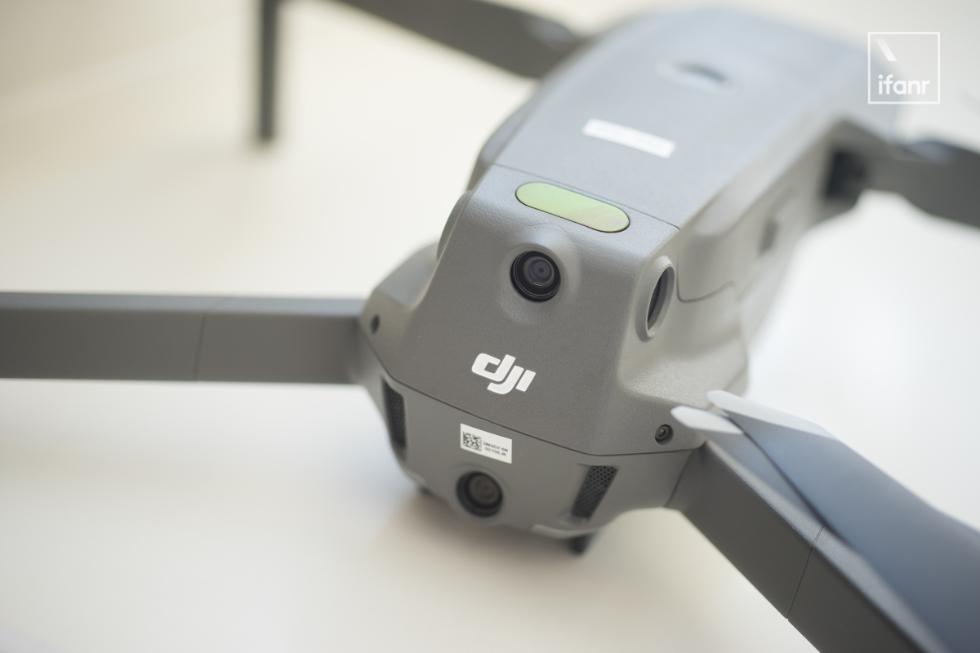 What factors limit the communication distance of UAVs, and how can it be effectively extended?
 How to improve efficiency through innovative applications of drones in logistics and warehousing?
 What is the key role of the development of drone battery technology in enhancing endurance capability?
 The development of gesture control interaction functions for drones, the principle of recognizing gestures and executing them?