


What are the strategies for avoiding enemy air defense systems in the low-altitude penetration technology of military drones?
The low-altitude penetration technology of military drones is an important field in modern military technology, aiming to enhance the survival and mission execution capabilities of drones in complex battlefield environments. Low-altitude penetration technology not only includes reducing the altitude of drones in flight to better avoid enemy anti-aircraft guns and anti-aircraft missiles but also covers various advanced avoidance strategies such as electronic warfare, stealth technology, and enhanced maneuverability. This article will discuss some key strategies of low-altitude penetration technology of military drones.
1. Stealth technology
Stealth technology is one of the key technologies for low-altitude penetration of military drones. By using advanced stealth materials and design, drones can reduce the probability of detection by radar and other detection equipment, thereby reducing the risk of being detected by enemy radar systems during low-altitude flight. Stealth materials can absorb or reflect electromagnetic waves of specific wavelengths, making drones difficult to be identified by radar systems.
2. Electronic warfare technology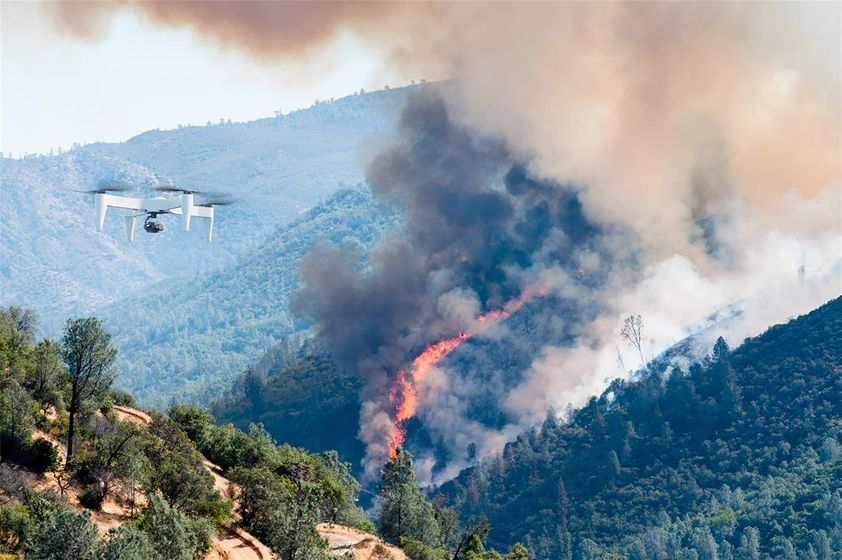
Electronic warfare technology includes jamming enemy radars and communication systems to ensure that drones are not affected by enemy electronic equipment during flight. Drones can be equipped with electronic warfare equipment such as electronic jammers to deceive enemy radars and prevent them from accurately locking on to targets. In addition, drones can protect their communication links through encrypted communication and signals to ensure smooth communication with command centers.
3. High maneuverability
The design of military drones needs to consider maneuverability during low-altitude flight. Advanced power systems and structural design can provide higher speed and acceleration, allowing drones to change flight altitude and direction in a short time, thus effectively evading attacks from enemy air defense systems. For example, drones powered by jet engines or turbofans can achieve faster acceleration and more flexible maneuverability.
4. Multi-sensor fusion
Multi-sensor fusion technology utilizes data from various sensors (such as radar, infrared sensors, and visual sensors) to provide comprehensive situational awareness for drones. By integrating the information collected by different sensors, it is possible to more accurately judge the surrounding environment and promptly detect and avoid potential threats. This technology helps drones maintain a high survival rate in complex and changing battlefield environments.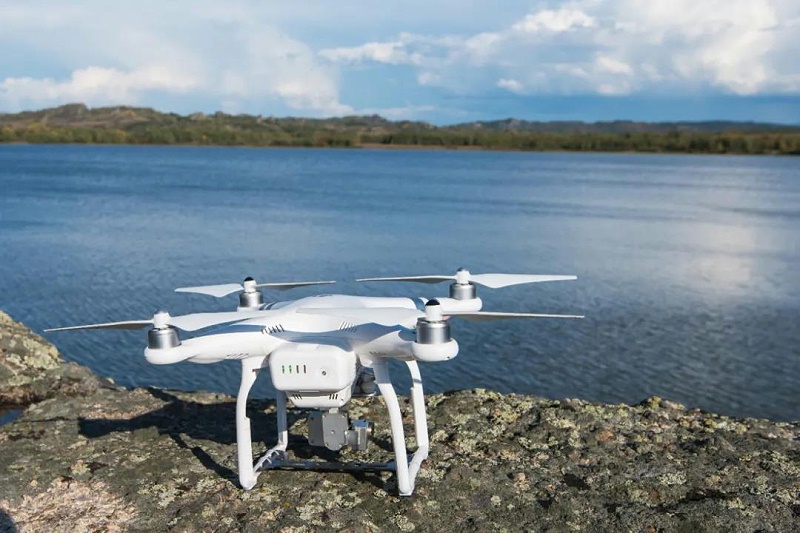
5. Ambiguous target characteristics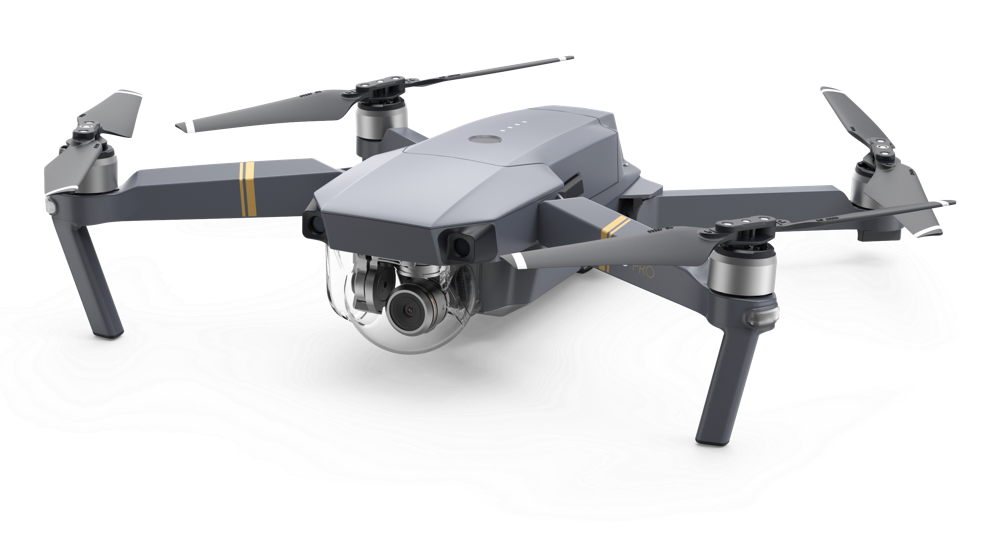
Ambiguous target characteristics refer to changing the shape, color, texture, and other features of drones to make them visually similar to the surrounding environment, thereby reducing the probability of being identified by enemy reconnaissance equipment. This method is usually used for reconnaissance drones to ensure that they can avoid enemy detection during mission execution.
The low-altitude penetration technology of military drones is a complex and multi-dimensional field, which requires the integration of various technical means such as stealth technology, electronic warfare, enhanced maneuverability, multi-sensor fusion, and ambiguous target characteristics to achieve. With the advancement of technology, the performance of military drones in low-altitude penetration in the future will be even better, providing stronger support for the execution of various tasks.
 How to choose drone propellers of different materials and what impact do they have on flight performance?
 What factors limit the communication distance of UAVs, and how can it be effectively extended?
 How to improve efficiency through innovative applications of drones in logistics and warehousing?
 What is the key role of the development of drone battery technology in enhancing endurance capability?