


Key points for simulating real battlefield environments in the application of drones in military simulation training?
The application of drones in military simulation training is gradually becoming an important part of modern military training. By simulating real battlefield environments, drones can provide highly realistic training scenarios, helping soldiers and military personnel better adapt to and respond to various complex situations. This article will discuss the application of drones in military simulation training and the key points for simulating real battlefield environments.
The application of drones in military simulation training
As a high-tech device, drones have characteristics such as low cost, high flexibility, strong concealment, and easy operation, making them play an important role in military simulation training. Drones can carry various sensors and equipment such as cameras, laser radar, and infrared detectors, which can provide comprehensive data on the battlefield environment. In addition, drones can also carry communication equipment for testing and evaluating the communication capabilities and collaboration efficiency between soldiers. Drones can also perform reconnaissance, surveillance, target identification, and strike missions, providing an actual operational environment for training.
Key points for simulating real battlefield environments
To ensure the effectiveness and authenticity of military simulation training, it is necessary to accurately reproduce battlefield environments in the simulation environment. The following are some key points:
Environmental simulation: Simulating real battlefield environments requires accurate reproduction of natural factors such as terrain, climatic conditions, and vegetation coverage. This helps soldiers better adapt to different terrains and climatic conditions during training, improving their survival and combat capabilities on the actual battlefield.
Communication system simulation: Communication systems on the battlefield are crucial, and therefore, real communication environments, including network structures, signal interference, and communication delays, need to be simulated in simulation training. This helps soldiers learn how to effectively transmit information and make decisions in complex communication environments.
Threat simulation: Simulating enemy threats is a key factor in improving soldiers' ability to deal with complex battlefield environments. This includes simulating the enemy's reconnaissance, strike capabilities, and tactical deployment. By simulating these threats, soldiers can learn how to carry out effective defense and countermeasures.
Human-machine interaction: The interaction between drones and soldiers is an important part of simulation training. Through human-machine interaction, soldiers' operational skills, decision-making abilities, and team collaboration skills can be assessed. In addition, human-machine interaction can also be used to train soldiers on how to handle emergencies and respond to urgent situations.
Data collection and analysis: Drones can collect a large amount of data during missions, which is crucial for evaluating training effectiveness and optimizing training plans. Through data analysis, weaknesses in training can be identified, providing a basis for improving training.
The application of drones in military simulation training not only improves the authenticity and effectiveness of training, but also provides soldiers with a training environment closer to real combat. By accurately simulating real battlefield environments, drones bring revolutionary changes to military training and provide strong support for improving the overall combat capability of the army.
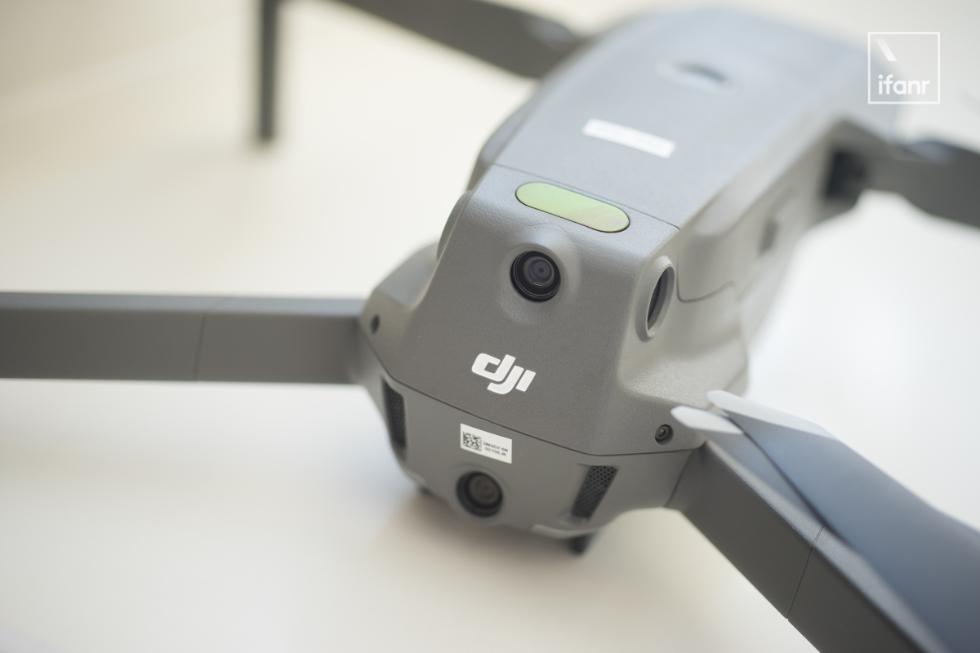 What factors limit the communication distance of UAVs, and how can it be effectively extended?
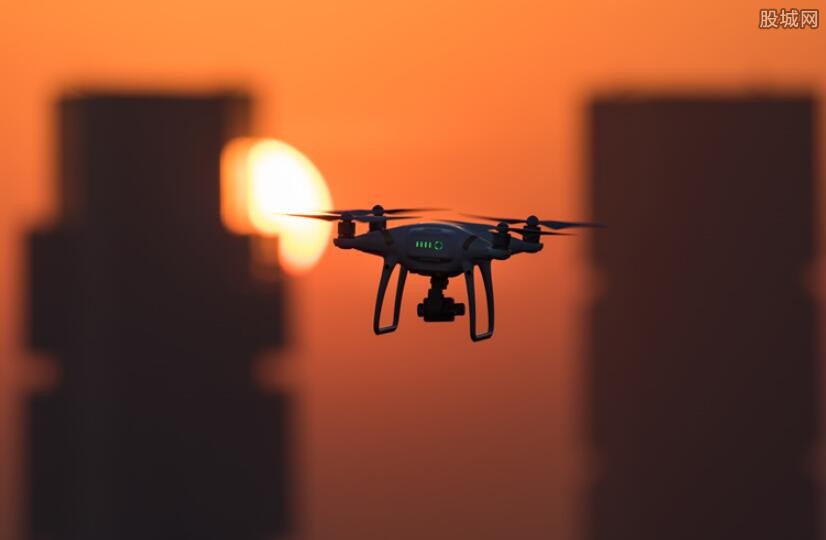 How to improve efficiency through innovative applications of drones in logistics and warehousing?
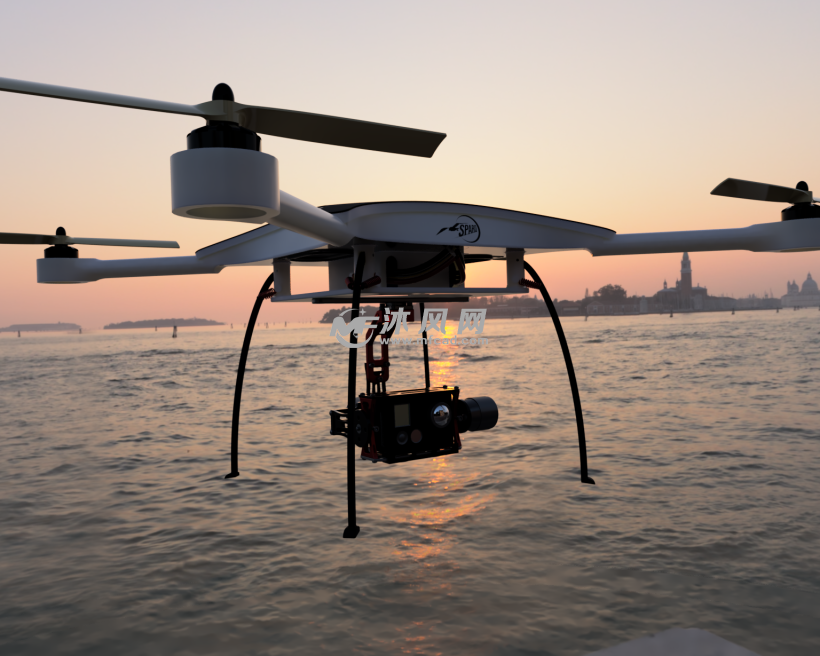 What is the key role of the development of drone battery technology in enhancing endurance capability?
 The development of gesture control interaction functions for drones, the principle of recognizing gestures and executing them?