


The role of UAVs in border patrol military missions, the methods of detecting abnormal situations?
The role of UAVs in border patrol military missions, the methods of detecting abnormal situations
The rapid development of unmanned aerial vehicle (UAV) technology has provided strong technical support for border patrol military missions. UAVs play an important role in border patrol, not only improving the efficiency of border patrol effectively, but also providing timely warnings in case of abnormal situations. This article will discuss the role of UAVs in border patrol military missions and the methods of detecting abnormal situations.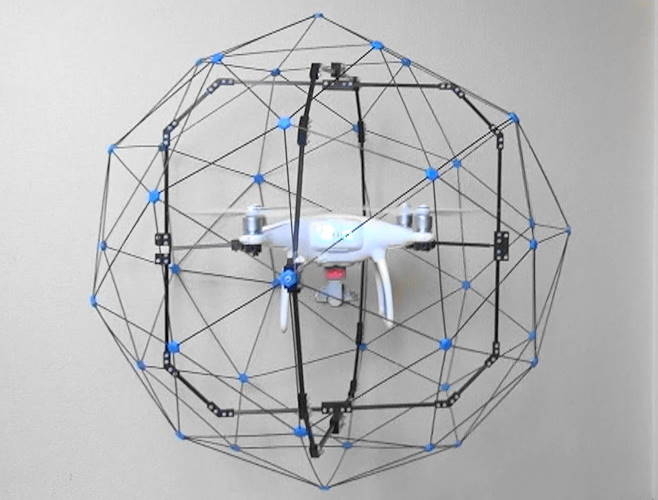
I. The Role of Drones in Border Patrol Military Missions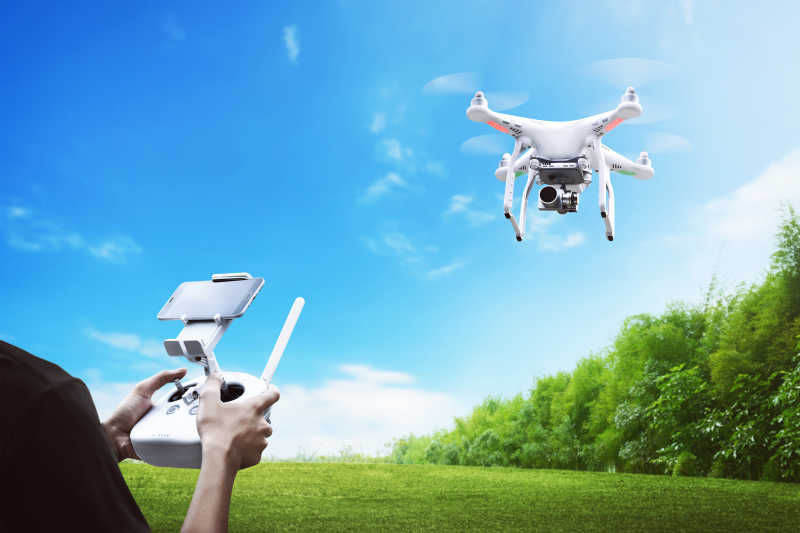
Real-time Monitoring: Drones can conduct real-time monitoring of border areas, covering a wide range and monitoring every inch of land on the border line. Drones can quickly capture anomalies on the border line, such as illegal intrusion, smuggling, and illegal immigration, and report them to relevant departments in a timely manner to avoid potential security risks.
Data Collection and Analysis: Drones can be equipped with various sensors to collect environmental data, including temperature, humidity, wind speed, and vegetation coverage, as well as activities on the border. These data can be used for analysis and prediction of border security situations, providing scientific basis for military decision-making.
Mission Execution: Drones can execute various tasks, such as aerial reconnaissance, target identification, target location, fire support, and aerial support. In border patrol missions, drones can carry out tasks such as patrolling, surveillance, reconnaissance, and target identification, improving the efficiency and accuracy of mission execution.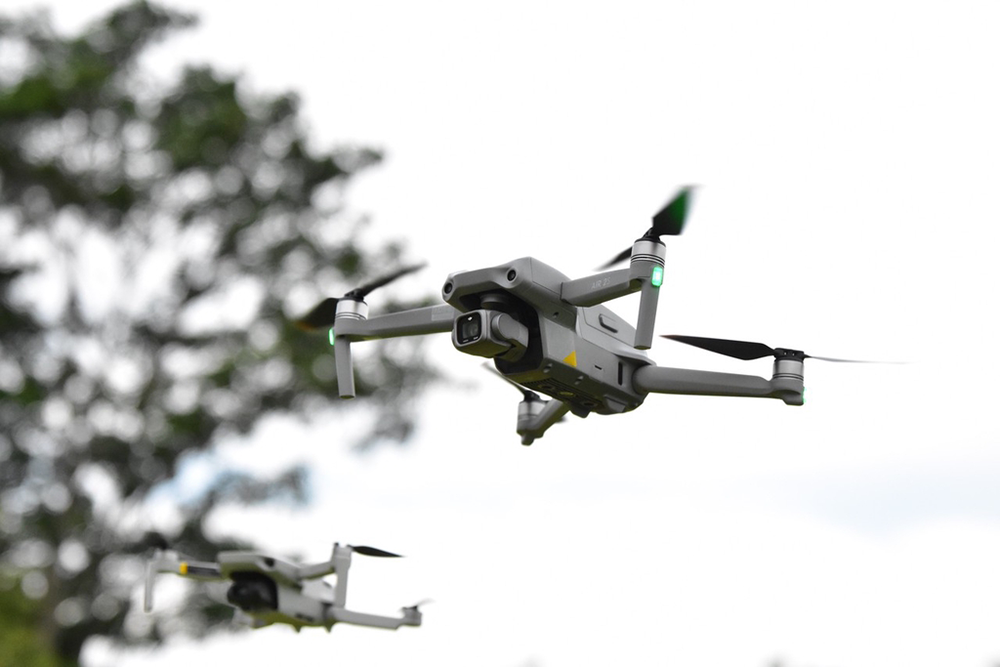
Efficiency: Drone patrols are efficient, completing a large number of patrol tasks in a short period of time, reducing the input of manpower and material resources. Drone patrols can be conducted around the clock,,increasing the flexibility and adaptability of patrols.
II. Methods for Detecting Anomalies
Real-time Monitoring: Drones can monitor activities on the border in real-time, detecting anomalies. For example, drones can detect illegal activities on the border, such as illegal intrusion, smuggling, and illegal immigration. Drones can report these anomalies in real-time to relevant departments for action.
Data Analysis: Drones can collect a large amount of environmental data, detecting anomalies through data analysis. For example, drones can detect anomalies in vegetation coverage on the border, such as sudden disappearance or abnormal growth, which may indicate illegal intrusion. Through data analysis, drones can detect these anomalies and report them to relevant departments.
Mission Execution: Drones can detect anomalies during mission execution. For example, during patrol missions, drones can detect illegal activities on the border. Drones can report these anomalies in real-time to relevant departments for action.
Artificial Intelligence: Drones can be equipped with artificial intelligence systems to detect anomalies through AI algorithms. For example, drones can identify illegal activities on the border, such as illegal intrusion, smuggling, and illegal immigration. Through AI algorithms, drones can detect these anomalies and report them to relevant departments.
In summary, drones play a vital role in border patrol military missions, enhancing the efficiency and accuracy of patrols, detecting anomalies and reporting them in a timely manner, and providing strong security guarantees for border safety. In the future, with the continuous advancement of drone technology, their application in border patrol military missions will become more extensive and profound.
 What are the key points for drone battery maintenance and effective methods to extend battery lifespan?
The role of UAVs in border patrol military missions, the methods of detecting abnormal situations?
What are the key points for drone battery maintenance and effective methods to extend battery lifespan?
The role of UAVs in border patrol military missions, the methods of detecting abnormal situations?
 Key points for simulating real battlefield environments in the application of drones in military simulation training?
 What are the strategies for avoiding enemy air defense systems in the low-altitude penetration technology of military drones?