


What links of the UAV quality inspection process ensure that the product is qualified?
As a high-tech product integrating science and technology, innovation, and environmental protection, the quality inspection process of the UAV plays a crucial role in ensuring its performance and safety. The quality inspection process of the UAV usually covers multiple links to ensure that it meets relevant standards and requirements at each stage of design, manufacturing, assembly, testing, packaging, and final delivery. The following are several key links of the UAV quality inspection process:
1. Design and Planning Phase
In the design phase, UAV manufacturers need to consider various factors such as product functionality, safety, environmental adaptability, and cost-effectiveness. At this stage, manufacturers will develop detailed manufacturing process plans, including material selection, component design, assembly processes, etc., to ensure that the UAV can be smoothly implemented in the subsequent manufacturing process.
2. Quality Control of Materials and Components
The quality of the materials and components of the UAV directly affects the overall performance and safety of the product. Therefore, during the procurement process, manufacturers need to strictly control the qualifications of material suppliers to ensure that the materials purchased meet the relevant standards and requirements. In addition, strict quality inspections of raw materials are also required, including chemical composition analysis, physical property tests, etc., to ensure the quality and consistency of the materials.
3. Manufacturing and Assembly Stage
The manufacturing stage is the core link of UAV production, involving operations such as material cutting, welding, and assembly. At this stage, manufacturers need to strictly follow the design drawings and process specifications, using high-quality tools and equipment for production. At the same time, manufacturers also need to monitor the key processes during the manufacturing process to ensure that each link meets the quality standards.
4. Testing and Verification
Testing is a critical step to ensure the performance and safety of the UAV. This includes static tests (such as weight, size, structural strength, etc.), dynamic tests (such as flight performance, maneuverability, stability, etc.), and environmental adaptability tests (such as high temperature, low temperature, vibration, humidity, etc.). In addition, safety tests must also be conducted to ensure that the UAV can operate normally under extreme conditions, ensuring the safety of the user.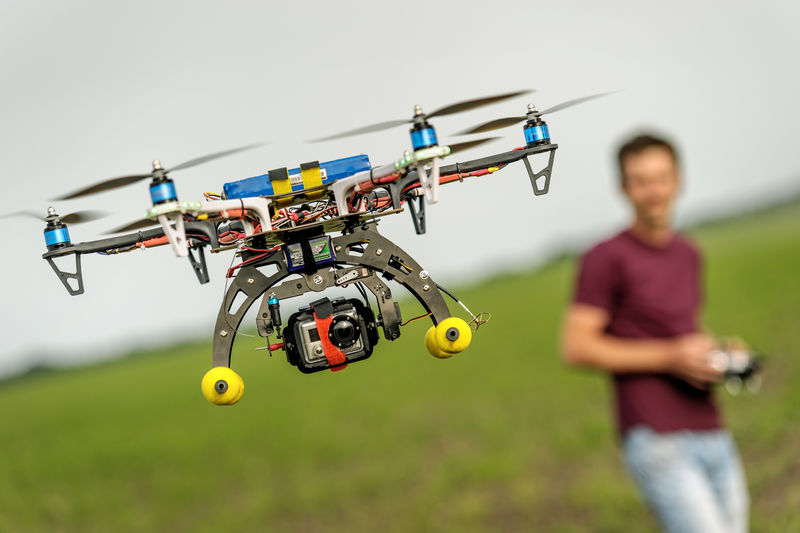
5. Packaging and Transportation
To ensure the safety of the UAV during transportation, manufacturers need to design a reasonable packaging plan to ensure that the UAV will not be damaged during transportation. In addition, strict quality control of the packaging materials is also required to ensure that the packaging materials can meet the protection requirements.
6. Final Inspection and Delivery
After the UAV completes all manufacturing, testing, and packaging procedures, manufacturers need to carry out comprehensive quality inspections to ensure that the product meets all predetermined quality standards. Only after passing the inspection can the UAV be delivered. During this process, manufacturers also need to monitor the delivery process to ensure that the product can be safely and on time delivered to the user.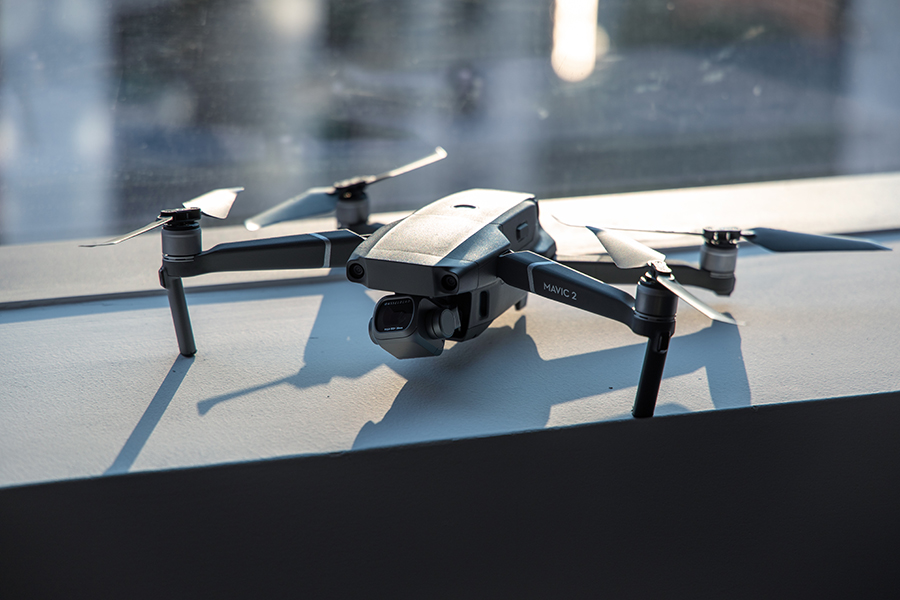
The process of unmanned aerial vehicle (UAV) quality inspection is a complex and multi-stage process that requires manufacturers to strictly control every link throughout the production process to ensure that the quality and performance of the UAV reach the optimal state.
 What is the importance of encryption technology for ensuring the security of flight data in unmanned aerial vehicle communication systems?
How do unmanned aerial vehicle swarms integrate data in environmental monitoring to improve effectiveness?
What is the role of unmanned aerial vehicle remote sensing in assisting the detection of underground relics in archaeological research?
How does the power switching mechanism of a hybrid-powered unmanned aerial vehicle ensure continuous flight?